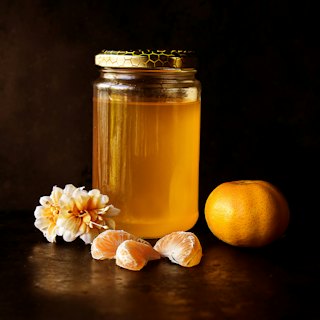
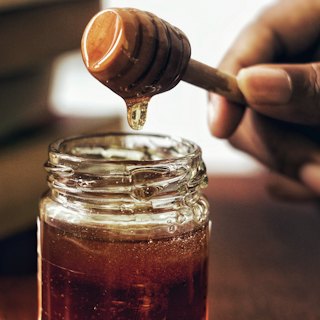

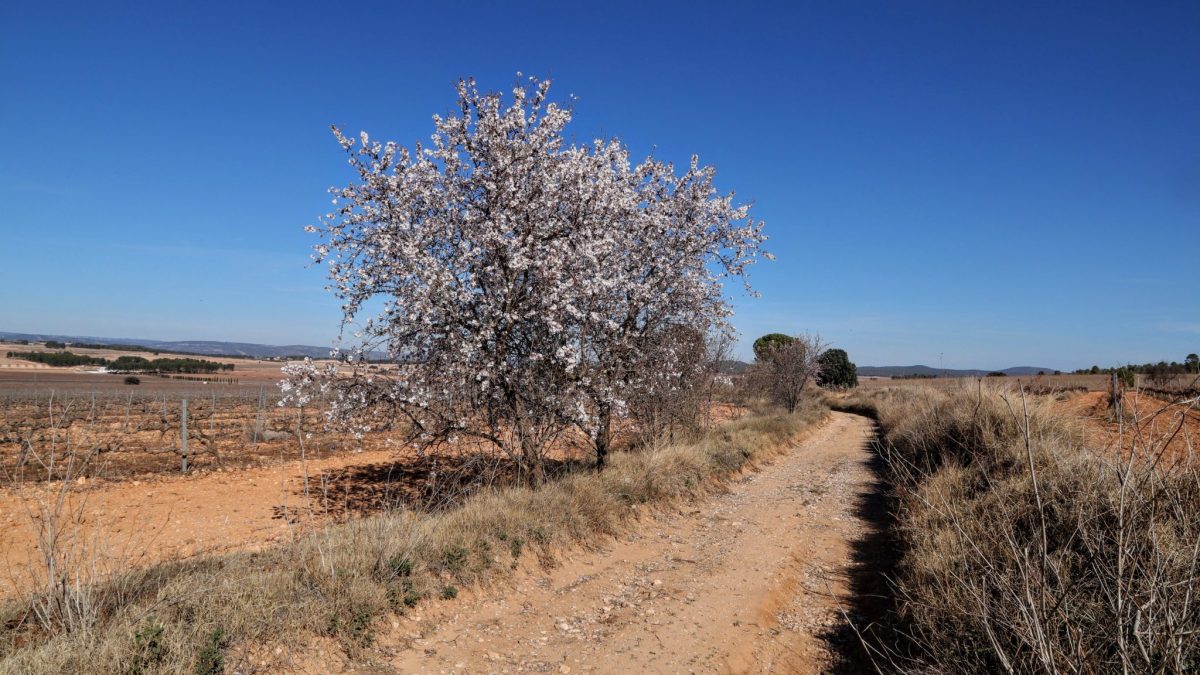
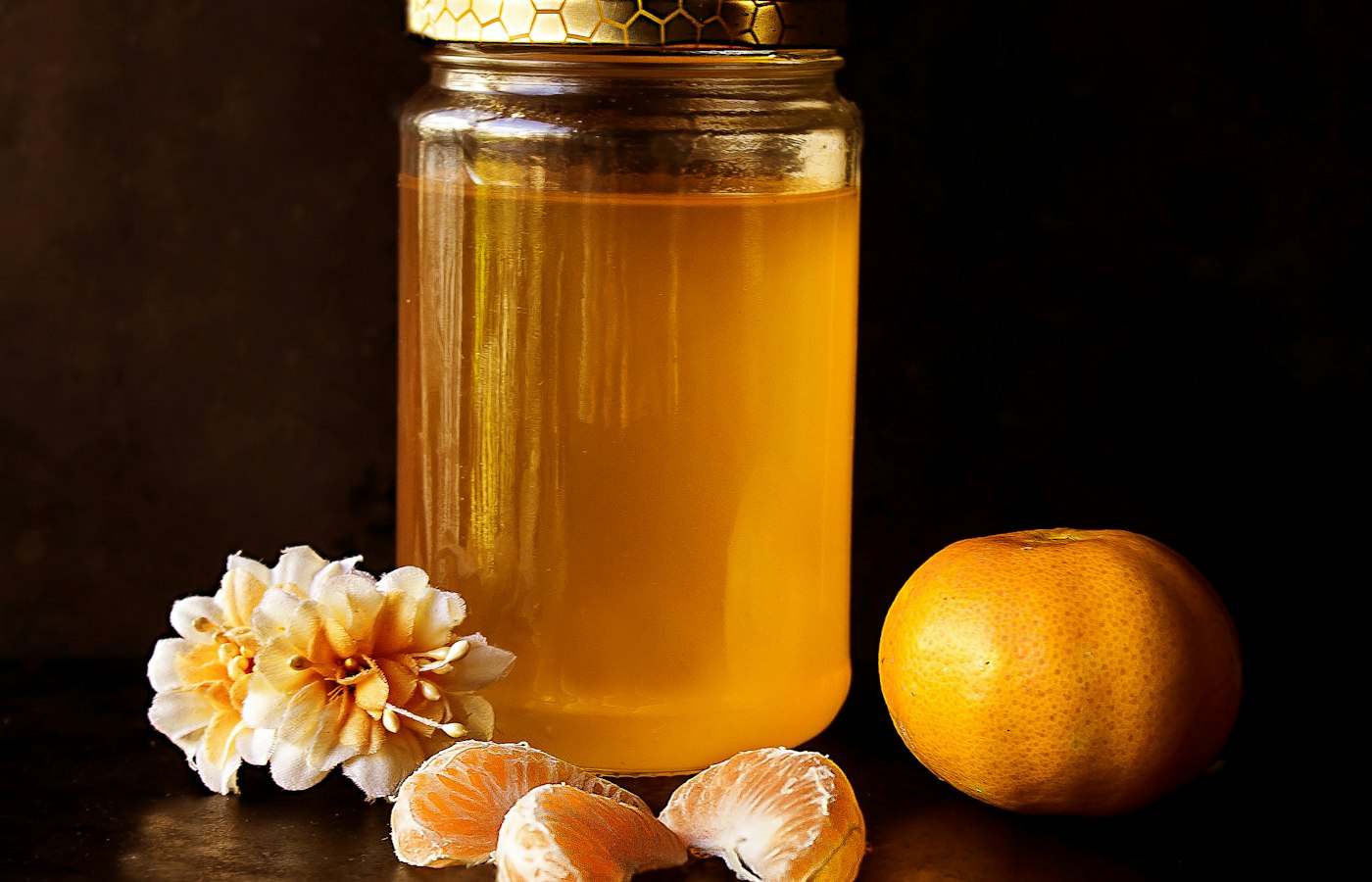
Every jar of our wildflower honey begins on a hillside in Transylvania, where Ioan and his daughter keep 240 hives between the beech forests and the hay meadows. We spent a week with them in late summer to follow one frame from the hive to the jar.
The harvest
Ioan harvests twice a year: once after the acacia bloom in late May and again in August, when the meadows are full of clover, thyme and wild oregano. He only takes frames that are mostly capped, which means the bees have already reduced the moisture to below 18%.
“If you take honey too early, it ferments,” he says. “The bees know when it’s ready. We just wait for them.”
Cold extraction
Back in the honey house, the wax cappings are sliced off with a warm knife and the frames go into a hand-cranked extractor. Spinning pushes the honey out of the cells without heating it, so enzymes and aromatic compounds stay intact.
Raw honey should taste like the place it comes from. Heat flattens that — it all starts to taste the same.
Ioan Mureșan, beekeeper
Settling, not filtering
Instead of pressure-filtering, the honey rests in stainless steel tanks for about ten days. Air bubbles and larger wax particles rise to the top and are skimmed off. Pollen stays in, which is why our honey is slightly cloudy and crystallises naturally over time.
- No heating above hive temperature (around 35 °C)
- Coarse straining only — pollen remains
- Tested for moisture and purity before jarring
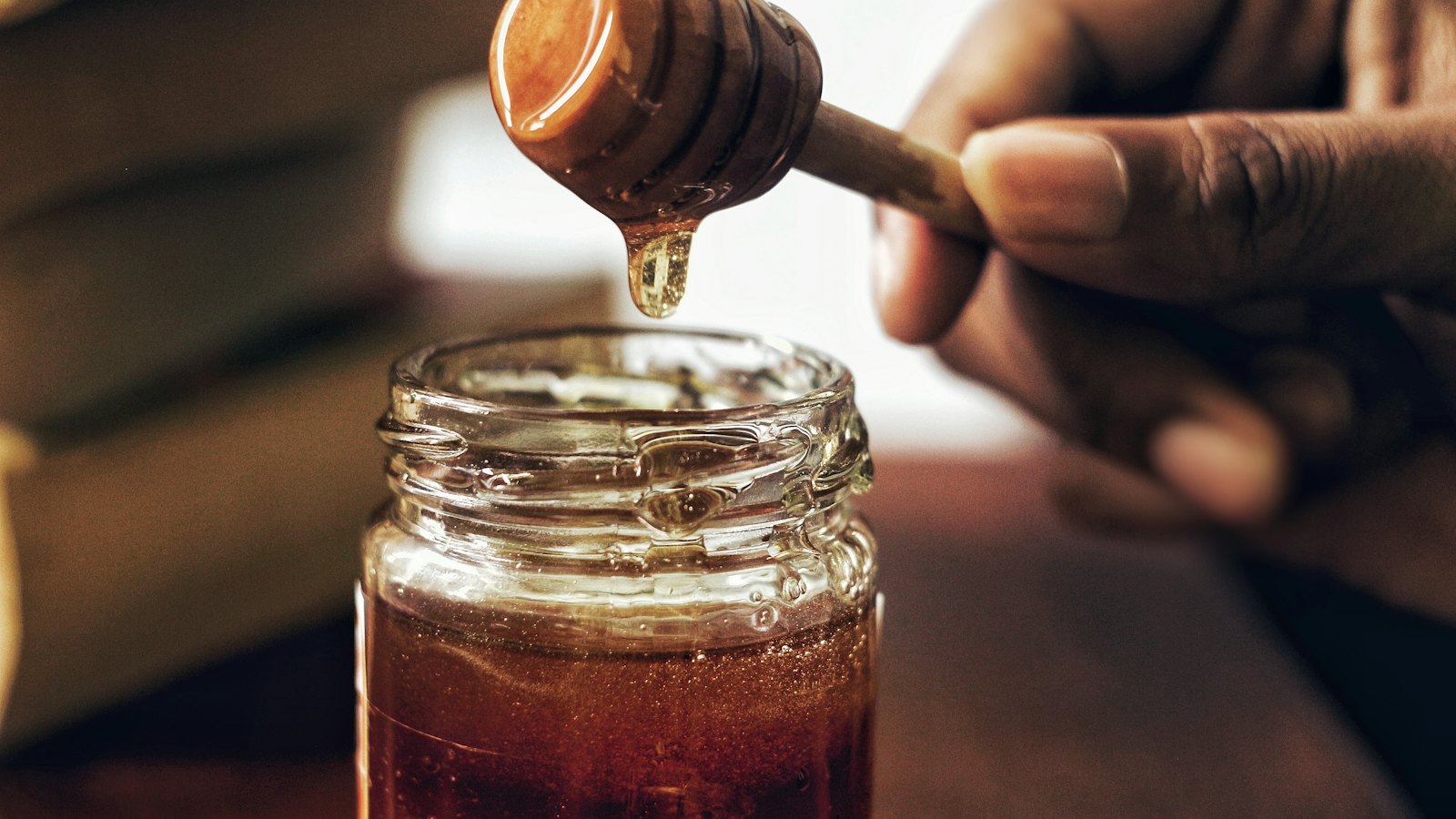 Settling tanks in the honey house
Jarring by hand
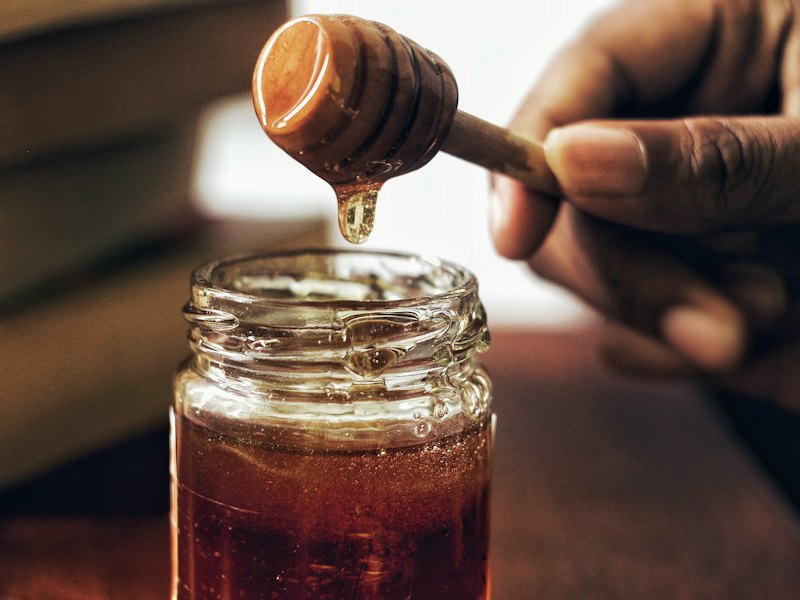
Jars are filled straight from the tank tap, labelled with the harvest batch and sealed. Each batch tastes a little different depending on the season and what was in flower, and we think that’s the point.
Storing raw honey at home
Keep it at room temperature, away from direct sunlight, with the lid closed tight. If it crystallises, stand the jar in warm (not hot) water for 15 minutes and stir. It never really goes off — honey has been found edible in ancient tombs.
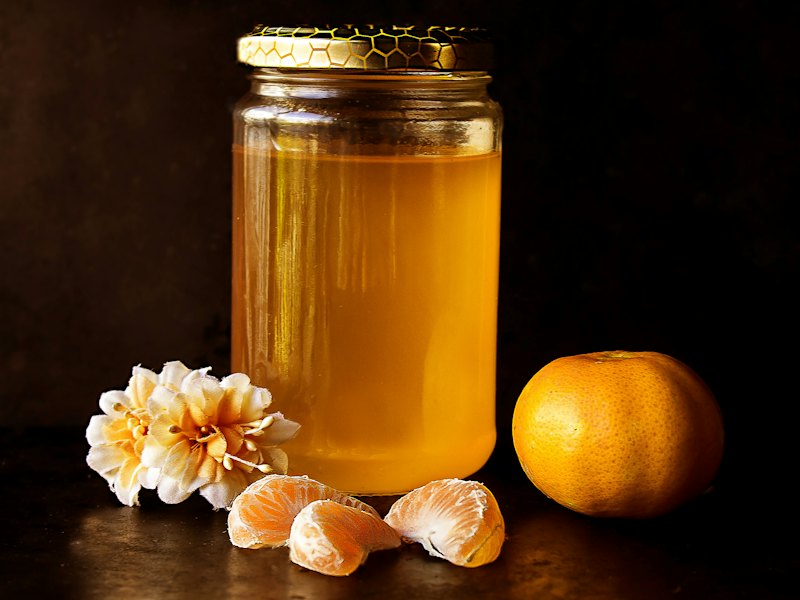
Our Raw Wildflower Honey comes from this exact harvest.
Comments 14
Loved learning about the settling step. Explains why my jar crystallised so quickly!
12Thanks Sofia! Crystallisation is a good sign — it means the pollen is still in there. A warm water bath brings it back.
4@Yusuf Demir How warm is “warm”? I’m scared of cooking it 😅
2@Sofia K. Around 40 °C — comfortable to keep your hand in. Never boiling.
6Saving this. I always used the microwave — no more!
1Same here, mine turned solid in about two weeks. Tastes even better spread on toast.
3Great read. Would love a follow-up on the acacia harvest.
3It’s on the list for spring, Tom! We’ll be visiting the apiary again in May.
5@Lena Hofmann Brilliant, looking forward to it.
0Does unfiltered mean there could be bits of wax in the jar? Asking for my picky kids 🙂
7Only the occasional tiny fleck — we strain coarsely, so anything you’d notice is caught. Most people never see any.
9@Yusuf Demir Perfect, thank you for the quick answer!
1Ordered the wildflower honey after reading this. Arrived in two days, beautifully packed. The flavour is completely different from supermarket honey.
15Would be interesting to see a comparison of the spring vs. late-summer harvest taste.
2